
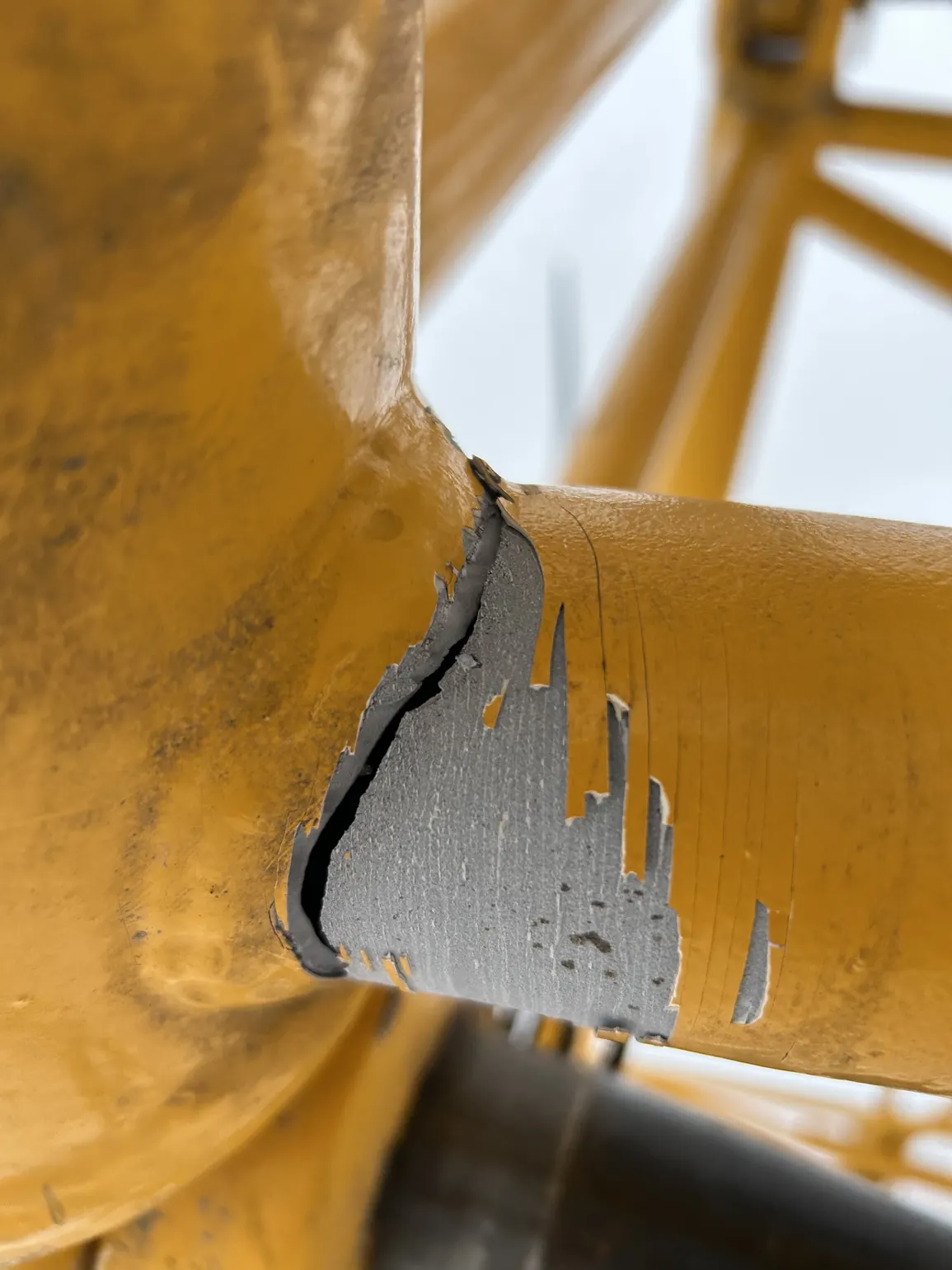
Visual welding inspection is the most widely used, and most underestimated, form of weld examination. Done properly by a qualified inspector, it catches the majority of weld defects before they ever become a structural risk. CSA W178.1 is the standard that governs how that inspection is performed and who is qualified to perform it.
What W178.1 Governs
CSA W178.1 certifies welding inspection organizations and the inspectors who work for them. It sets the requirements for inspector qualification, inspection procedures, and documentation, giving you confidence that a weld signed off as acceptable was judged against a recognized national standard.
What Inspectors Look For
A visual inspection assesses welds before, during, and after welding. Inspectors evaluate the things that most directly affect strength and durability:
- Cracks, porosity, and incomplete fusion
- Undercut, overlap, and unacceptable weld profile
- Correct weld size, length, and placement
- Conformance to the welding procedure and welder qualification
As a shop certified to CSA W47.1 with CWB-qualified inspectors, we bring Canadian Welding Bureau standards directly to your project, from in-process checks to final acceptance, fully documented.
Catching Problems Early
The earlier a weld defect is found, the cheaper and safer it is to correct. In-process inspection lets us flag issues before they're buried under subsequent passes or coatings, protecting both the schedule and the integrity of the finished structure.