
CSA standards exist to answer a simple question with real consequences: is this lifting device safe to operate? For owners and safety managers, understanding which standards apply, and what they require, is the difference between confident compliance and unwelcome surprises during an audit or incident investigation.
The Standards That Matter Most
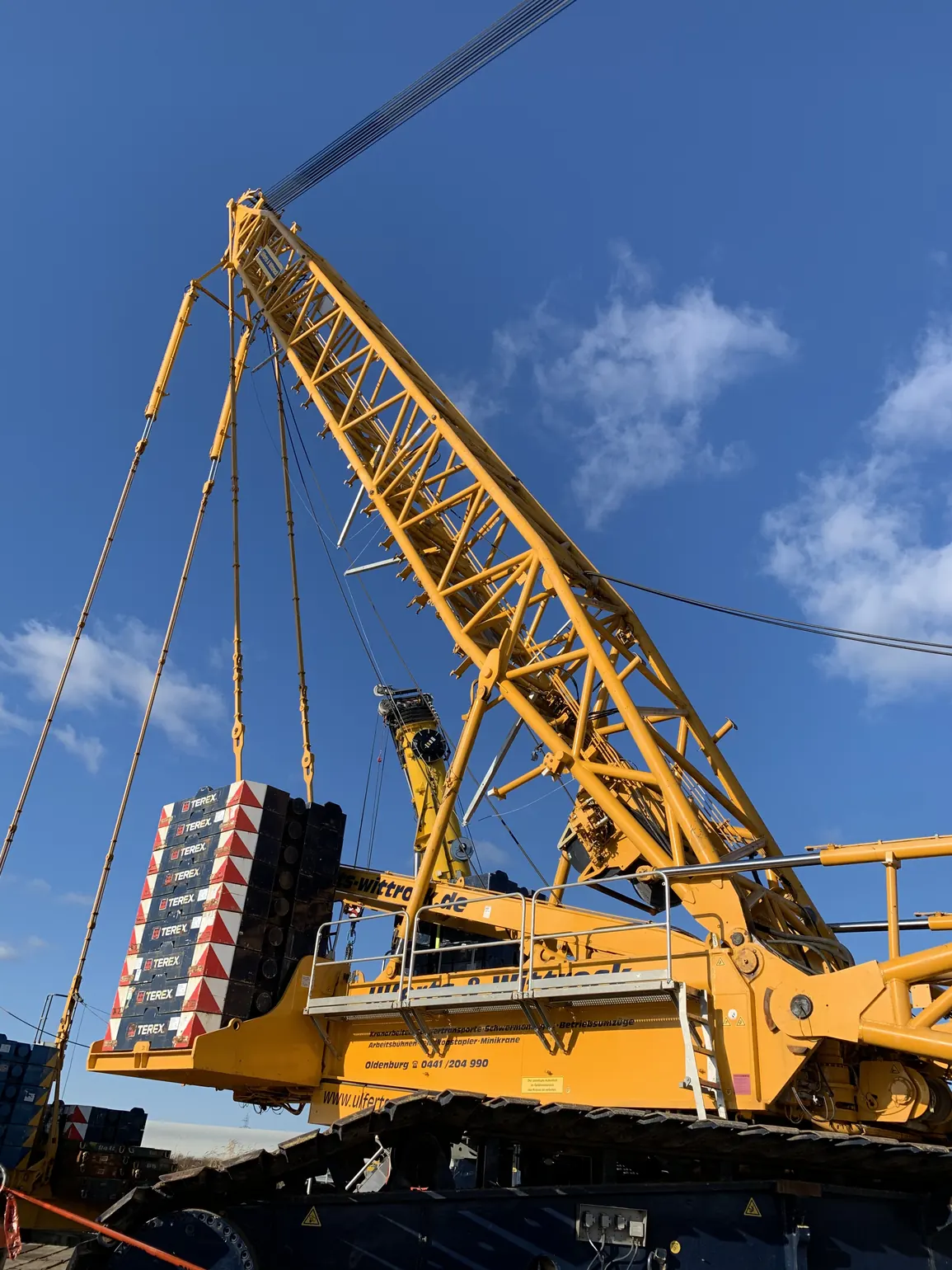
Different equipment falls under different CSA standards, and an inspection program has to reflect that. Overhead and gantry cranes, mobile cranes, and below-the-hook devices each carry their own inspection and maintenance expectations, layered on top of provincial requirements such as Ontario's OHSA Reg. 851.
- Overhead travelling cranes and hoists, periodic structural and operational inspection
- Mobile cranes, inspection and non-destructive testing of booms and critical welds
- Rigging and below-the-hook equipment, frequent inspection of wear components
What a CSA-Aligned Inspection Looks Like
A proper inspection goes well beyond a walk-around. It examines structural members, welds, mechanical components, brakes, controls, and safety devices, and it verifies that the equipment still meets its rated capacity. Where appropriate, non-destructive testing is used to evaluate welds and load-bearing components that can't be judged visually.
Inspections aligned with CSA and OHSA don't just satisfy regulators, they catch developing problems early, reduce unplanned downtime, and give you defensible documentation if your program is ever questioned.
Turning Standards Into a Program
Standards describe the destination; a good inspection partner builds the route. We help you map your equipment to the right standards, set inspection intervals, and maintain organized records, so compliance becomes a routine, not a scramble.